
A guide for adults in Finland
Sleep hygiene and recovery that fits Finnish seasons
The habits that shape how easily you fall asleep, how well you recover, and how a Finnish year changes both.
Habits that shape how easily you fall asleep and recover through a Finnish year.
Start with the conditions, not willpowerSleep is not a talent. It is a set of conditions you can mostly control.
Good sleep is not a talent, it is a set of conditions you can mostly control. This page covers the habits that shape how easily you fall asleep and how well you recover, with attention to the Finnish year: dark mornings, early winter evenings, and the bright nights of midsummer. Nothing here is a supplement or a gadget. It is light, timing, caffeine, and temperature — the four levers that quietly decide most nights.
What sleep hygiene actually means
Sleep hygiene is the everyday set of choices around light, timing, caffeine, and temperature. It is not a supplement or a gadget, and that is exactly why it works. Get the conditions right and falling asleep becomes less of a fight. Get them wrong, and no amount of willpower fixes an overstimulated evening. The aim is a routine your body can rely on.
It helps to think of these as four separate dials rather than one big decision. Light tells the body clock what time it is. Timing sets the shape of the day. Caffeine and food decide how much friction is left in the evening. Temperature closes the loop — a slight drop in body heat is one of the signals that sleep is allowed to begin.
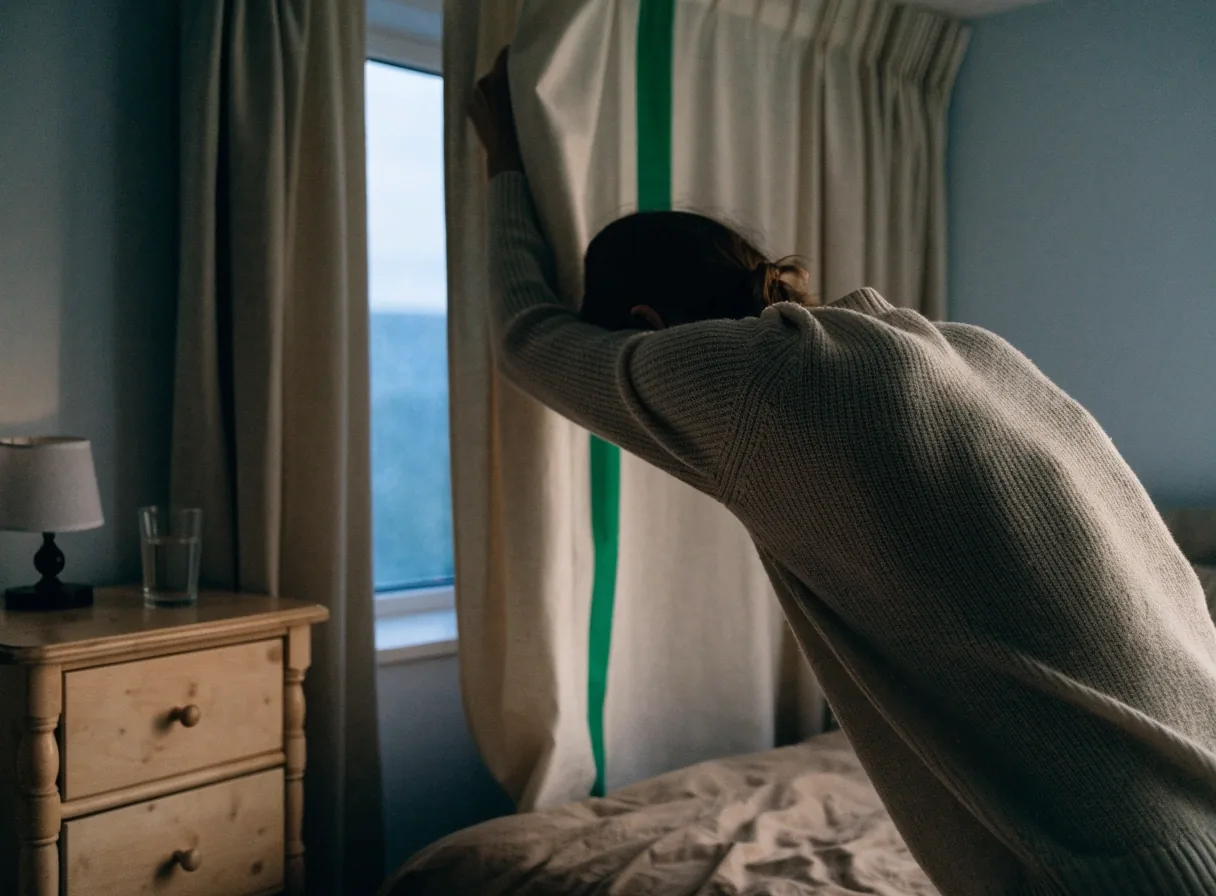
The evening is decided by the dials you touched hours earlier, not by the last ten minutes before bed.
A wake time you can protect
The single most useful anchor is a consistent wake time, weekends included where possible. It sets the rhythm that makes sleep come at a sensible hour.
During Finnish winter this is harder, because the morning offers little light to pull you out of bed. Use a bright lamp or step outside shortly after waking. Ten minutes of outdoor brightness on an overcast Helsinki morning is dimmer than a summer dawn, but it is still far brighter than a lit room — that gap is what the body clock reads.
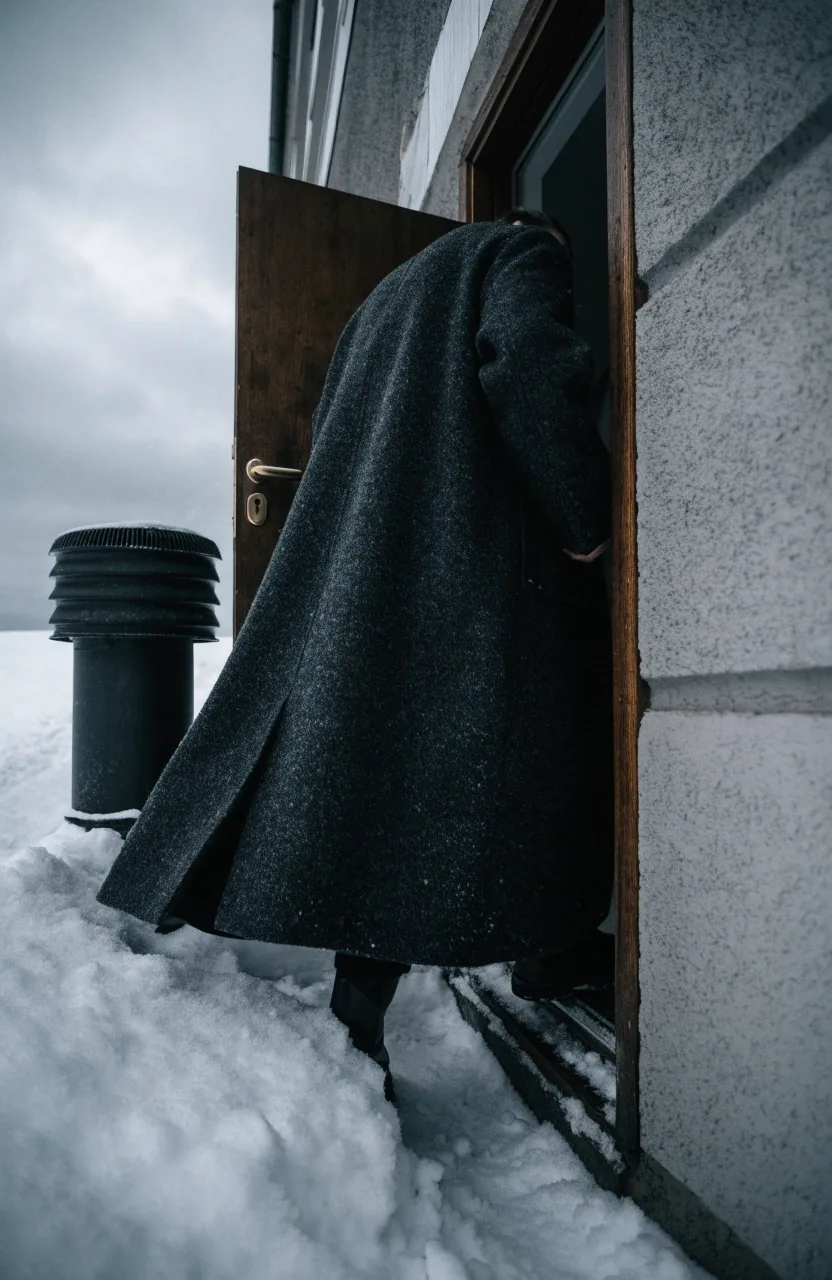
A stable morning is what makes a stable evening possible. If the wake time drifts, the bedtime drifts with it.
Wind-down before bed
The hour before sleep decides more than the hour in bed. Pick two steps and repeat them at the same time each night.
An afternoon coffee is often the real culprit behind a restless night.
Caffeine, alcohol, and late meals
Caffeine can still be active many hours after the last cup, so an afternoon coffee quietly damages the night. Alcohol may help you fall asleep, but it tends to fragment the second half of the night. Heavy late meals do the same.
If your evenings are food-focused, move the largest meal earlier and keep the last one lighter. Finnish dinner habits often run late, especially in winter when the day starts late too — shifting the main meal to the early evening is one of the simpler changes on this page.
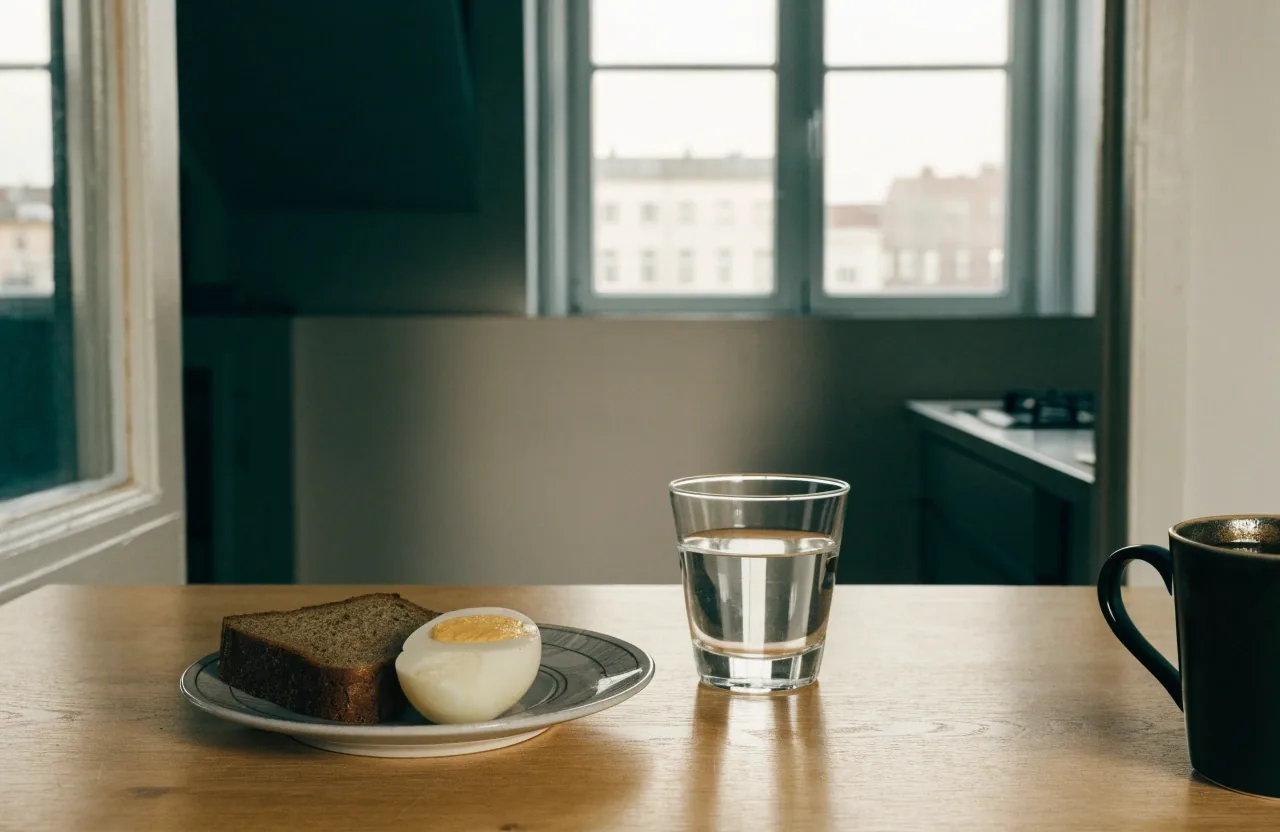
If you want to know whether coffee is the problem, move the last cup before lunch for one week and watch the second half of the night.
Seasonal sleep in Finland
Winter brings too little light and summer brings too much. In the dark months, mornings feel like night and bedtimes drift later. In midsummer, bright evenings push sleep back and can shorten the night. Both are predictable, and both respond to the same idea: protect the morning and manage the evening light.
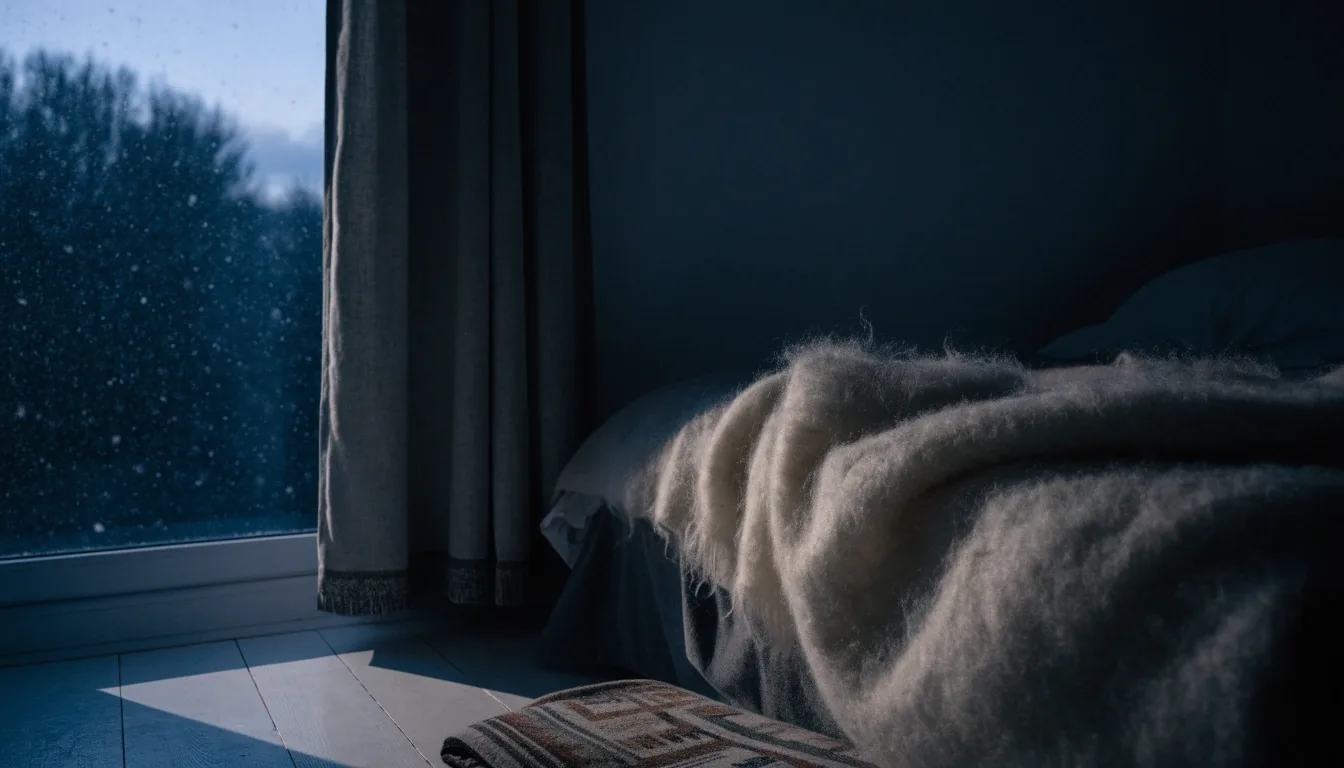
Use blackout curtains in summer and morning light in winter, and expect your schedule to need a nudge at each change.
Winter: dark mornings, drifting bedtimes
A Finnish November morning can feel like an extension of night. With little outdoor brightness, the body clock gets a weak signal about when the day started. Early darkness then tempts long afternoon naps, which borrow from the following night. A bright lamp at breakfast and one short walk in daylight soon after waking help; keep the wake time fixed and the drift tends to correct itself.
Summer: bright nights, shorter sleep
Midsummer light does not stop at a polite hour. Bright evenings delay the wind-down, and the early sunrise can end sleep sooner than intended. Blackout curtains, a consistent bedtime even when it is still light out, and a slightly cooler bedroom handle most of it. Two or three weeks of gradual adjustment each spring and autumn beats fighting the shift night by night.
Sleep and training recovery
If you train, sleep is where the adaptation happens. Short nights show up as heavier legs, lower motivation, and slower progress. That is why recovery is not just stretching and rest days.
A consistent sleep window, a reasonable evening meal, and a calmer final hour do more for training than most people expect. Treat sleep as part of the plan, not the leftover time. In practice this means deciding the bedtime the same way you decide the session — on Sunday, not at 11pm on Wednesday.
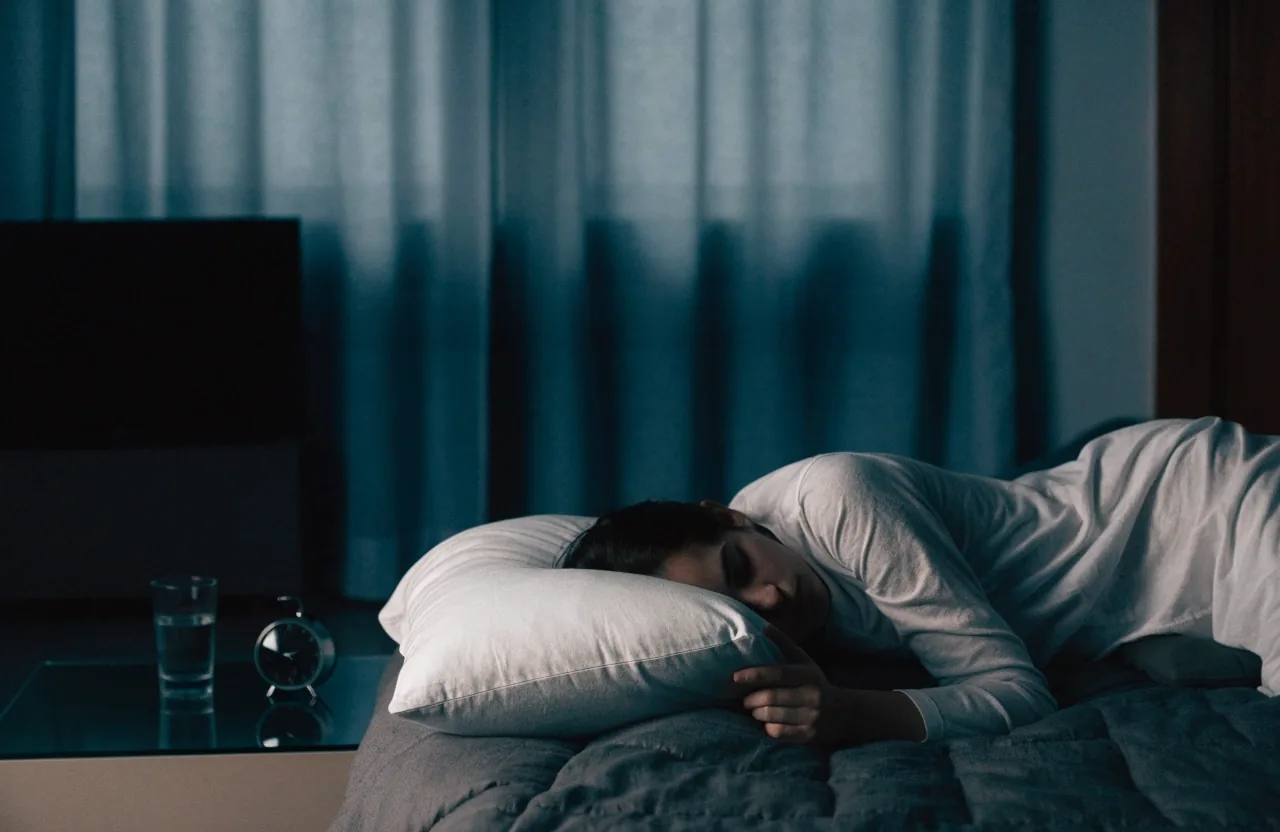
Recovery is what you schedule, not what is left over after the week runs out.
Stress, appetite, and mood
A bad night changes the next day, and usually not for the better. Appetite tilts toward quick energy, patience thins, and small problems feel larger. Finnish lifestyle research covers sleep alongside stress and wellbeing for exactly this reason.
Improving sleep will not erase stress, but it makes the day more manageable. That is often enough to break a difficult loop — a slightly better night makes one harder decision easier, and one easier decision makes the next night slightly better.
When to seek help
If you snore heavily, wake unrefreshed for weeks, or feel dangerously sleepy during the day, talk to a healthcare professional. Ongoing insomnia and suspected sleep apnoea are medical matters, not lifestyle tweaks. No routine on this page replaces that assessment.
For everything short of it, the habits above are the place to start. Bring a two-week note of bedtimes, wake times, and how rested you felt — it makes that conversation more useful than describing a single bad night.
Questions readers ask most
How much sleep do adults need?
Most adults do best with roughly seven to nine hours, though needs vary. The more useful question is whether you wake rested and function well through the day. National health surveys track sleep duration and behaviour, so this is a well-studied area rather than guesswork.
Why is sleeping harder in Finnish winter?
Limited morning light makes it difficult to reset the body clock, so bedtimes drift later. Early darkness also tempts long naps. Getting outdoor or bright light soon after waking helps, and keeping a fixed wake time prevents the drift from becoming the new normal.
Does a nightcap help sleep?
It can help you fall asleep faster, but alcohol tends to break the second half of the night into lighter, fragmented sleep. If nights feel unrested, an evening drink is one of the first things worth testing by removing it for a week or two.
Can I catch up on sleep at the weekend?
Long weekend lie-ins can partially repay a sleep debt, but they also shift your rhythm, which makes Monday harder. A short lie-in is usually safer than a three-hour one. The stronger fix is protecting the weeknights that created the debt.
Keep going with the rest of the guide
Sleep sits alongside food, movement, and general wellbeing. If one of these areas is nudging your nights, the related pages below are the natural next step — each one covers its topic in the same practical register.
Something unclear, or a topic you would like covered?
The editorial team reads every message. We cannot give personal medical advice, and anything that sounds like ongoing insomnia or suspected sleep apnoea belongs with a healthcare professional — but questions about the guide, sources, or a habit you want explained in more detail are welcome.
Energy Optimal Health · Tikkuraitti 15, 01300 Vantaa, Finland · Monday to Friday, 9:00 AM – 6:00 PM
Email [email protected] or call +358 40 567 8901.
This guide is general information about lifestyle habits. It is not medical advice and does not replace an assessment from a qualified professional.