
Everyday movement for adults in Finland
Active living through everyday Finnish movement
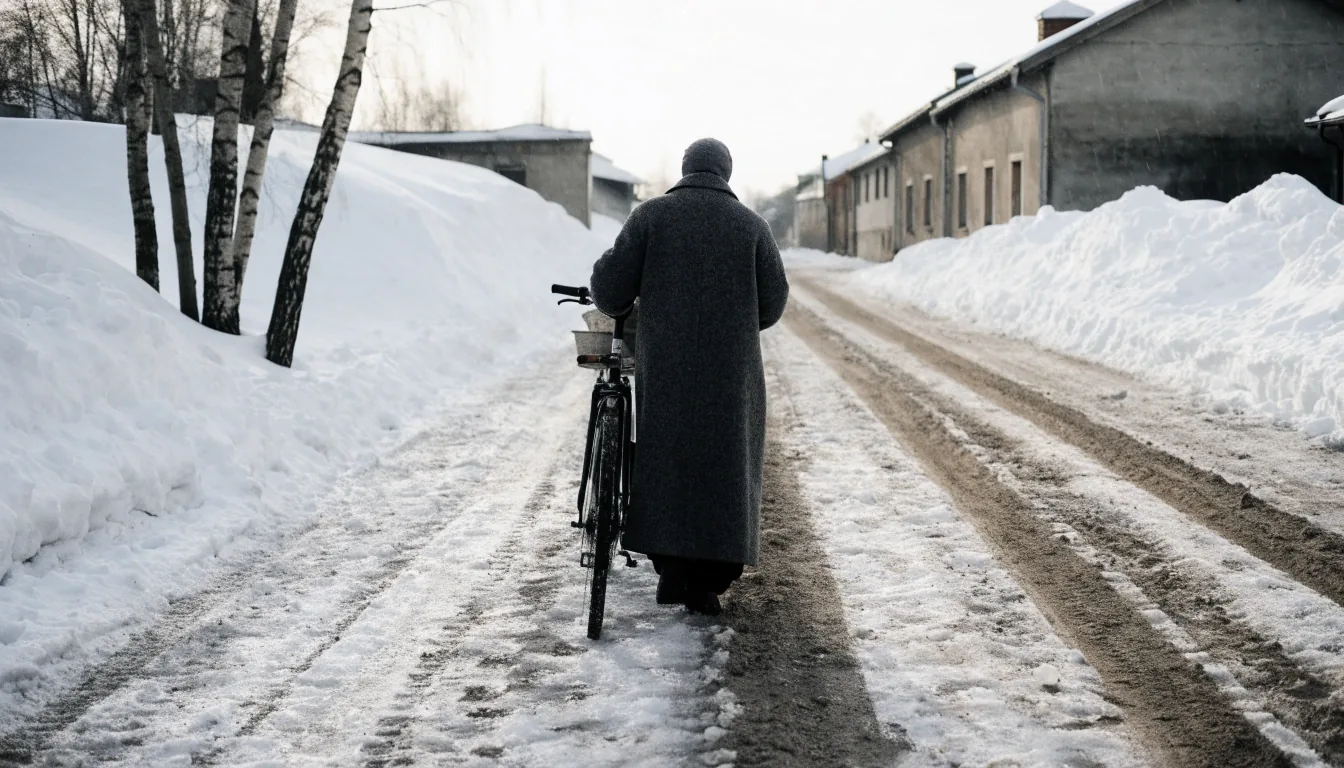
Finland already records high levels of physical activity, and much of it has nothing to do with a gym. This page shows how cycling, walking and outdoor time fit a normal week, including the dark and cold months.
Build a week that survives busy monthsMovement does not require a gym
The biggest barrier to exercise is the belief that it must be structured and scheduled. It does not. Walking to the shop, taking the stairs, and cycling to work all count toward an active week.
This matters because routine-based movement survives busy periods better than an ambitious plan. If a workout is the only form you accept, one bad month becomes a lost month, and starting again in December feels harder than it needs to.
Activity you keep beats activity you admire.
- Walking to the shop and back 10–20 min
- Stairs instead of the lift 1–3 min
- Cycling instead of driving 20–30 min
- Short outdoor walk in daylight 15–25 min
Time ranges describe typical trips and are meant as orientation, not as targets.
Cycling as default transport
Cycling is one of the most reliable ways to make activity automatic in Finland. You have to get somewhere anyway, so the trip doubles as exercise.
City distances are often short enough for this to work, and with the right tyres and lights, winter riding is possible for many people. The habit builds itself once the bike becomes the default choice rather than the ambitious one.
Before you buy anything else
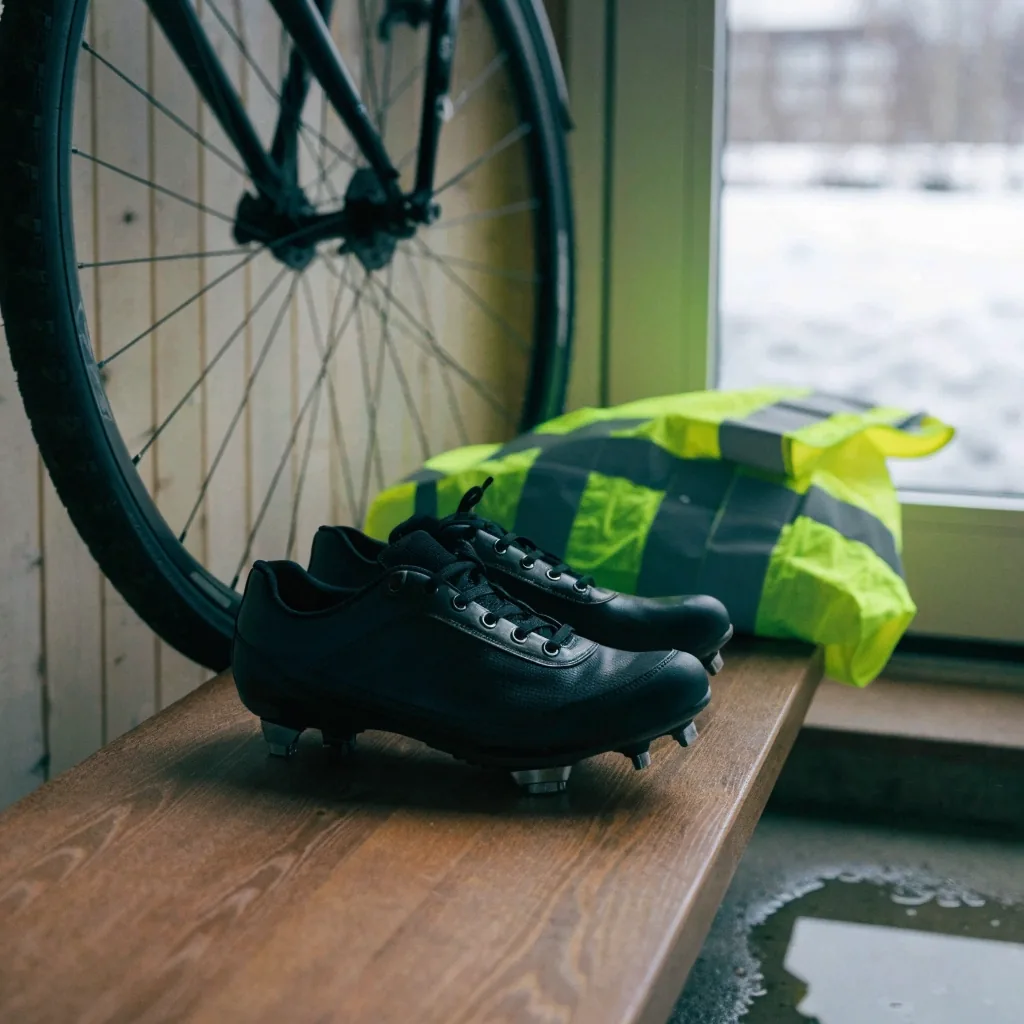
Studded or wide-grip tyres, a working front and rear light, and mudguards that clear snow build-up.
What makes it stick
Choose the trip you already make — commute, school run, grocery run — instead of a weekend route you ride twice.
Where to be careful
Snow and ice change braking distances. Lower your speed and pick quieter streets rather than dropping the habit.
A bike you already own beats an indoor plan you never start.
Winter without the treadmill
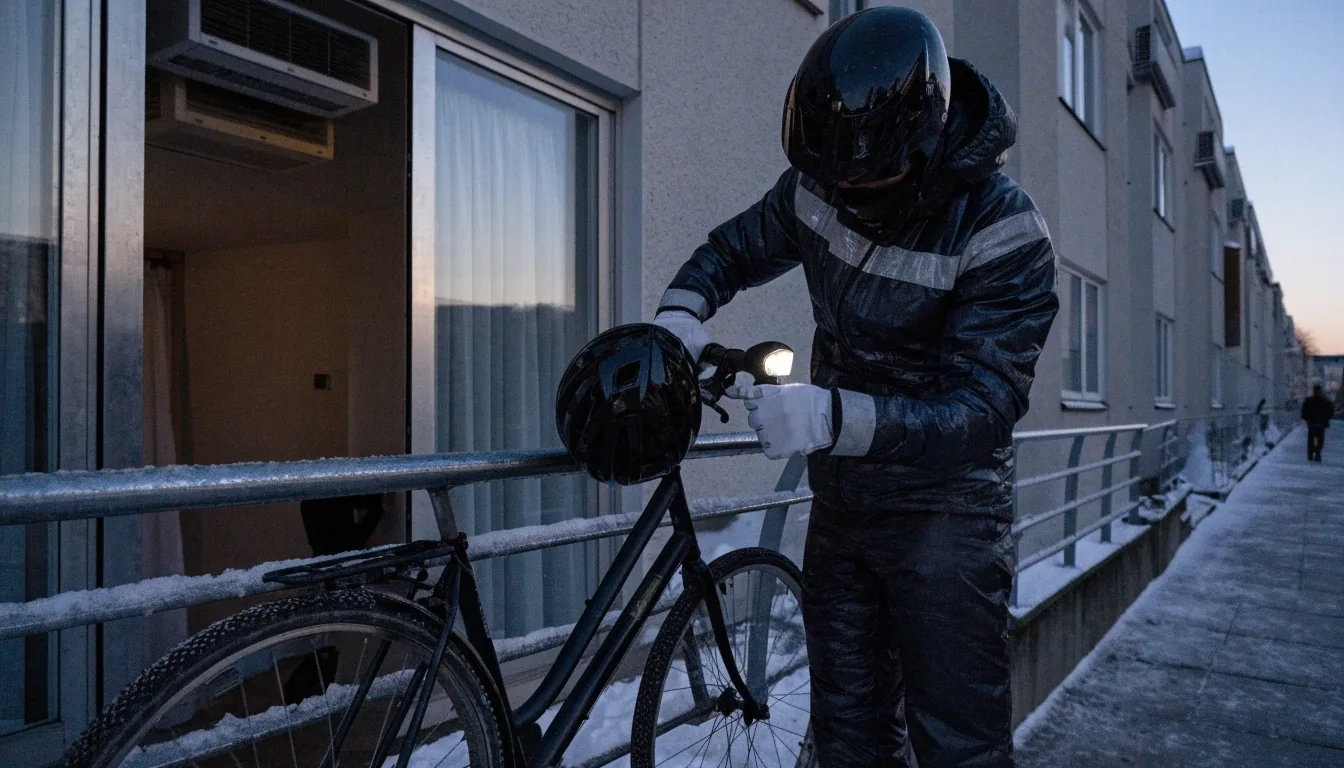
Cold and dark are real constraints, not excuses. The Finnish answer is usually clothing and light, not avoidance.
Layer properly, use reflective gear, and take the daylight hours when they exist. Shorter, more frequent outdoor sessions beat waiting for perfect conditions. Many people find a winter walk easier to sustain than an indoor workout, simply because the barrier to starting is lower.
Layering
A thin base layer, an insulating middle, and a wind-blocking shell handle most Finnish winter days better than one heavy coat.
Light
A headlamp or reflective vest costs little and turns a risky dark walk into an ordinary one. Daylight hours are worth protecting for outdoor time.
Duration
Two 15-minute walks through a week often beat one long outing you postpone until spring. Frequency is easier to keep than intensity.
Building a realistic weekly routine
A workable week mixes formal and informal activity. Two sessions of something structured, plus daily walking or cycling, covers most needs for general wellbeing. The exact split matters less than consistency.
If your week is packed, protect the small slots first: the commute, the lunch break, the ten minutes before dinner. These are the parts least likely to be cancelled when a deadline lands.
These bands describe how a week can be arranged, not a required schedule for every reader.
Protect the small slots
The commute, the lunch break, the ten minutes before dinner. They survive deadlines that cancel a gym session.
One number to watch
How many active days you had this week. Days are easier to count honestly than minutes are.
Strength and recovery basics
Some strength work helps at any age, mostly to protect joints and posture. It does not require heavy equipment or long sessions.
Bodyweight movements, resistance bands, or a short set of lifts twice a week are enough to start. Pair it with sleep and reasonable food, because recovery is where the training effect actually lands. Training without recovery is just fatigue.
Twice a week is enough to hold what you have. More is optional, less is usually invisible.
Bodyweight squats, push-ups against a wall or floor, and a simple hinge movement cover most of the base.
Resistance bands travel well and take up less space than a single dumbbell pair.
Sleep quality and meals matter as much as the sessions themselves for how the body recovers.
Movement and mood
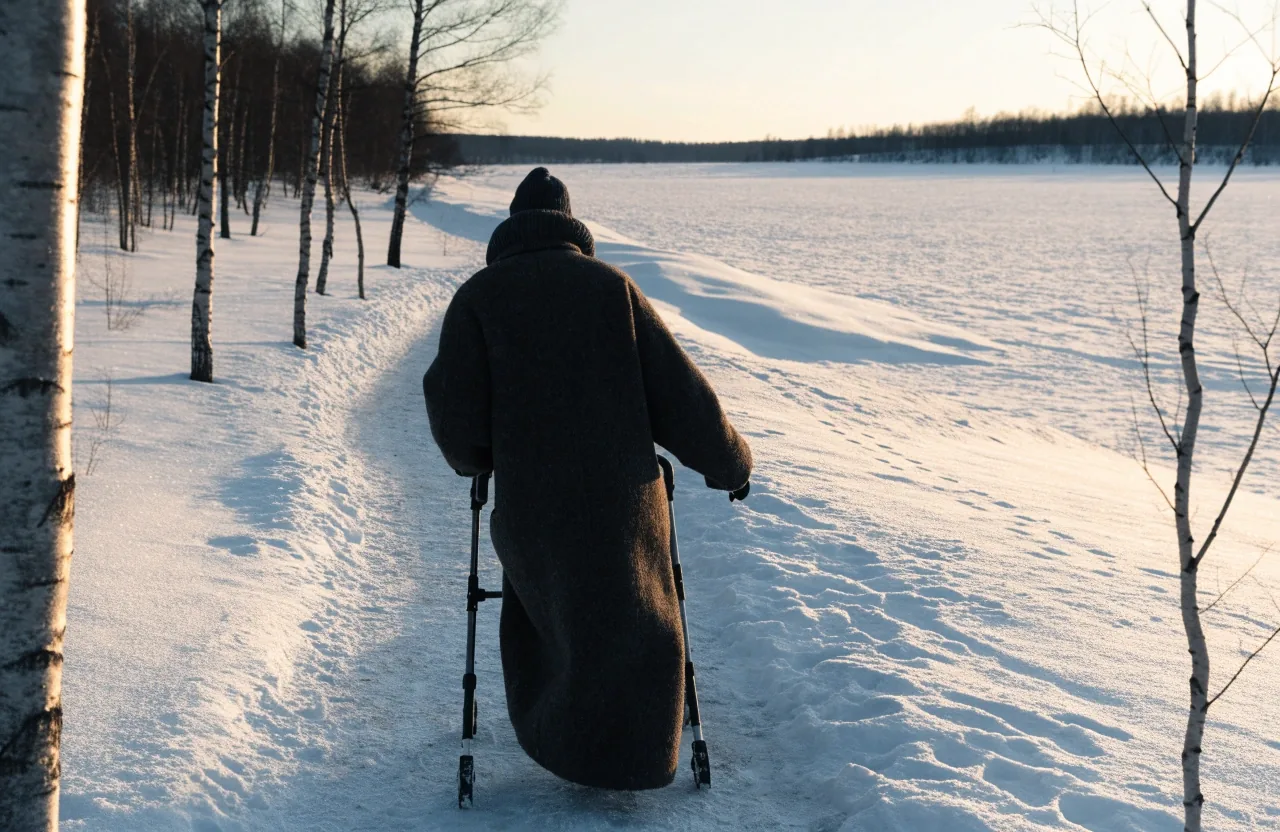
Activity affects how a day feels, not only how the body looks. It is a reliable mood and stress tool, and it fits the wider picture of psychological distress and wellbeing in Finland. A walk outside in daylight does two things at once: movement and light exposure. That combination is particularly useful in the dark months, when both are in short supply.
Why daylight counts
Winter compresses daylight into a short window. Walking at midday in that window gets the movement and the light in a single trip, which is part of why winter walks are easier to keep than indoor plans.
Where this connects
The Quality of Life and Wellbeing page goes further into the mood and stress side of the same habits.
Sitting, screens, and small changes
Long sitting days undo some of the benefit of a single workout. Breaking up sitting matters, even briefly.
These micro-breaks add up across a week and cost nothing. They are not a substitute for real activity, but they stop the day from being entirely static.
- Stand during a phone call free
- Take the stairs for one floor free
- Walk while thinking through a problem free
- A reminder to move once an hour free
Starting small and staying with it
The most common beginner mistake is starting at a level that cannot be sustained. Begin with something you can repeat next week and the week after. Increase gradually once the habit holds.
If you miss a day, return the next day rather than restarting from zero. Consistency over months is what changes how you feel, and it rarely comes from a dramatic first session.
The goal at the start is a habit, not a fitness result.
Common questions about active living
Short answers to what readers ask most about movement, cycling, and starting from a low base.
Still unsure? Write to Energy Optimal Health at Tikkuraitti 15, 01300 Vantaa, Monday to Friday, 9:00 AM – 6:00 PM.
How much activity do adults need?
General guidance points to regular moderate activity across the week, plus some strength work. Everyday movement like walking and cycling counts toward it. Finland's high activity levels show that this does not have to mean a gym.
Can I cycle in a Finnish winter?
Many people do, with the right tyres, lights, and clothing. Shorter trips in cities are the easiest place to start. Snow and ice require more care, so adjust speed and route rather than giving up the habit.
What if I hate the gym?
You are not alone, and you do not need one. Cycling, walking, outdoor recreation, and short home strength sessions cover the basics. Pick the form that fits your day, because the routine you keep beats the one you admire.
How do I start when I am very inactive?
Start smaller than feels impressive. A ten-minute walk or a short daily stretch counts. Repeat it for a week before adding anything. The goal at the start is a habit, not a fitness result.
Where to go next
Movement is one of four habits this guide covers. If you want to keep building, the other pages follow the same grounded approach to sleep, food, and everyday wellbeing.
Energy Optimal Health publishes general lifestyle information for adults in Finland. Nothing on this page is medical advice, and specific routines should be adjusted to your own situation or discussed with a qualified professional.